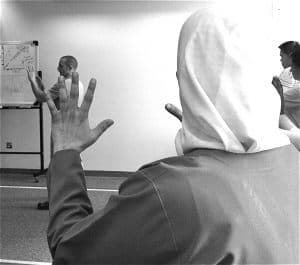
Threat Detection in Personal Safety Trainingby Zeb Glover in conversation with Ger O’Dea – Dynamis Training When we look at personal safety, people tend to put it into categories – the physical aspects and the non physical aspects. We could break down the non-physical aspect of Personal Safety training into two parts. The ability to detect a danger
Retail Worker Safety: Keeping your staff safe from abuse
Retail Worker Safety – Research shows that retailers are most concerned about:Violence against staffTheft by customersVerbal Abuse against staffRobberyAnti-Social Behaviour “The biggest cause for concern in the report’s findings is the prevalence of violence and abuse against retailers and store colleagues. People working in convenience stores are most vulnerable to violence when they are being responsible
Conflict Management Train-The-Trainer Masterclass from Dynamis powered by Vistelar
World-Class Conflict Management Training in London This five-day course certifies individuals as instructors for Vistelar’s Conflict Management for Contact Professionals training programme, so they are authorized to teach this program within their organization. This course covers important aspects of conflict management: non-escalation (conflict prevention), de-escalation and crisis intervention tactics — but not physical alternative tactics (control, stabilization, non-lethal/lethal weapons). The training is focused on how to
Utilities and Services – confidence that our people are doing the right thing during conflict management
Confidence that our people are doing the right thing when there is conflict in utilities work.“My name is Jason Campbell. I’m a senior security leader with NiSource, a utility company that spreads across the Eastern seaboard. My area of coverage is about seven states. I chose the Vistelar association for our organization. 20 years ago,
“Hi, my name is Katie Dill, and I am a special education teacher from Winnebago School District in Northern Illinois. I chose Vistelar as a teacher in the educational field because this is “how we do things”. In the professional field we know that we often get told we just have to respond. We have